Leading AI Literacy Efforts in Taiwan
Isaac Seiler pitched and led one of the first Local ChatGPT Labs, then turned what educators learned into a published resource and conference workshop.
Project Snapshot
- Project type: PROJECT
- Year: 2025
- Primary topics: ChatGPT, OpenAI, Fulbright Taiwan, AI education, teacher training, AI literacy
- Search focus: OpenAI-sponsored Fulbright Taiwan AI literacy program, teacher training, classroom uses, LLM fundamentals, and published educator recap.
Key Proof Points
- Pitched and led one of the first Local ChatGPT Labs with support from OpenAI and ChatGPT for Education.
- Designed and led six applied sessions for 20 educators across 19 institutions and six counties in Taiwan.
- Covered LLM fundamentals, prompt design, classroom workflows, verification, and responsible use.
- Published a nine-example program recap with OpenAI and expanded the work into a 250+ person conference workshop.
From the Idea to the Lab
Many people in my community were either skeptical of AI or unsure how to use it well.
I was already participating in OpenAI's ChatGPT Lab, so I pitched the team on extending that work into a local program for educators in Taiwan. With support from OpenAI and ChatGPT for Education, it became one of the first Local Labs to run.
Building a Program Where People Learned From Each Other
My first goal was to create a space where educators could learn from one another. Then I wanted to tell the story of what we learned so others could benefit.
I designed the Lab as six sessions covering AI fundamentals. We focused on work educators already had in front of them: preparing lessons, giving feedback, supporting language learning, and deciding when an AI tool would create more problems than it solved.
I paid attention to where people saw immediate value, where they became skeptical, and which examples still made sense.
Participant questions changed what I emphasized in later sessions. We spent less time talking about ChatGPT in the abstract and more time on when and how educators should choose to use it.
By the final sessions, the program reflected more than the structure I had started with. It reflected the concerns and experience of the educators who participated in the program.
Turning What We Learned Into Public Value
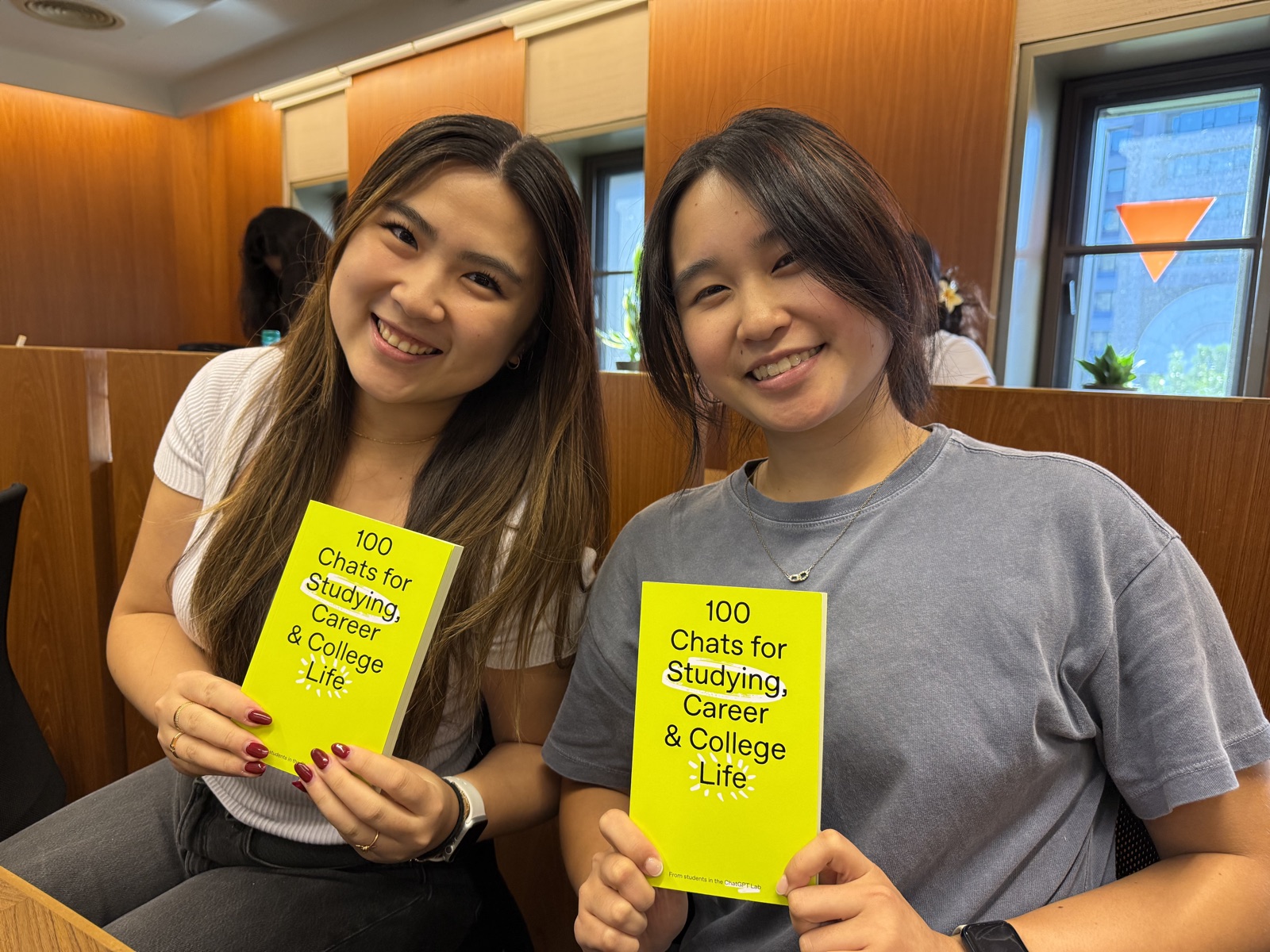
I reviewed the use cases I had gathered and turned them into nine practical ChatGPT use cases that could apply across different educational environments.
I wrote the final piece, which OpenAI's ChatGPT for Education Substack published.
What started as a conversation among a small group of English educators in Taiwan became something others could read, debate, add to, and adapt for themselves.
Delivering What We Learned to a Broader Audience
After the program concluded, I used what I learned to build an LLM fundamentals and alignment workshop for an international education conference in Taiwan with more than 250 attendees.
The Lab had given people six sessions to experiment, come back, and build trust with one another. At the conference, I had one workshop to give a much broader audience enough context to understand both the possibilities and the limits.
I focused on the questions that had surfaced most often: how language models work and how educators can use them without handing over their own judgment. For the latter, I directly cited uses identified by Lab participants.
What I Learned
Ultimately, I learned two big lessons.
First, the best learning happens in community, with people learning from one another. If I had designed the workshops as a lecture series, the value would have ended when the workshops did.
Second, the program reinforced my belief that durable AI adoption starts from the bottom up. Lab participants represented opinions from across the spectrum, from early AI adopters to AI skeptics. By the end of the program, participants had found ways to use AI in their work to improve their impact.
Related Isaac Seiler Sections